
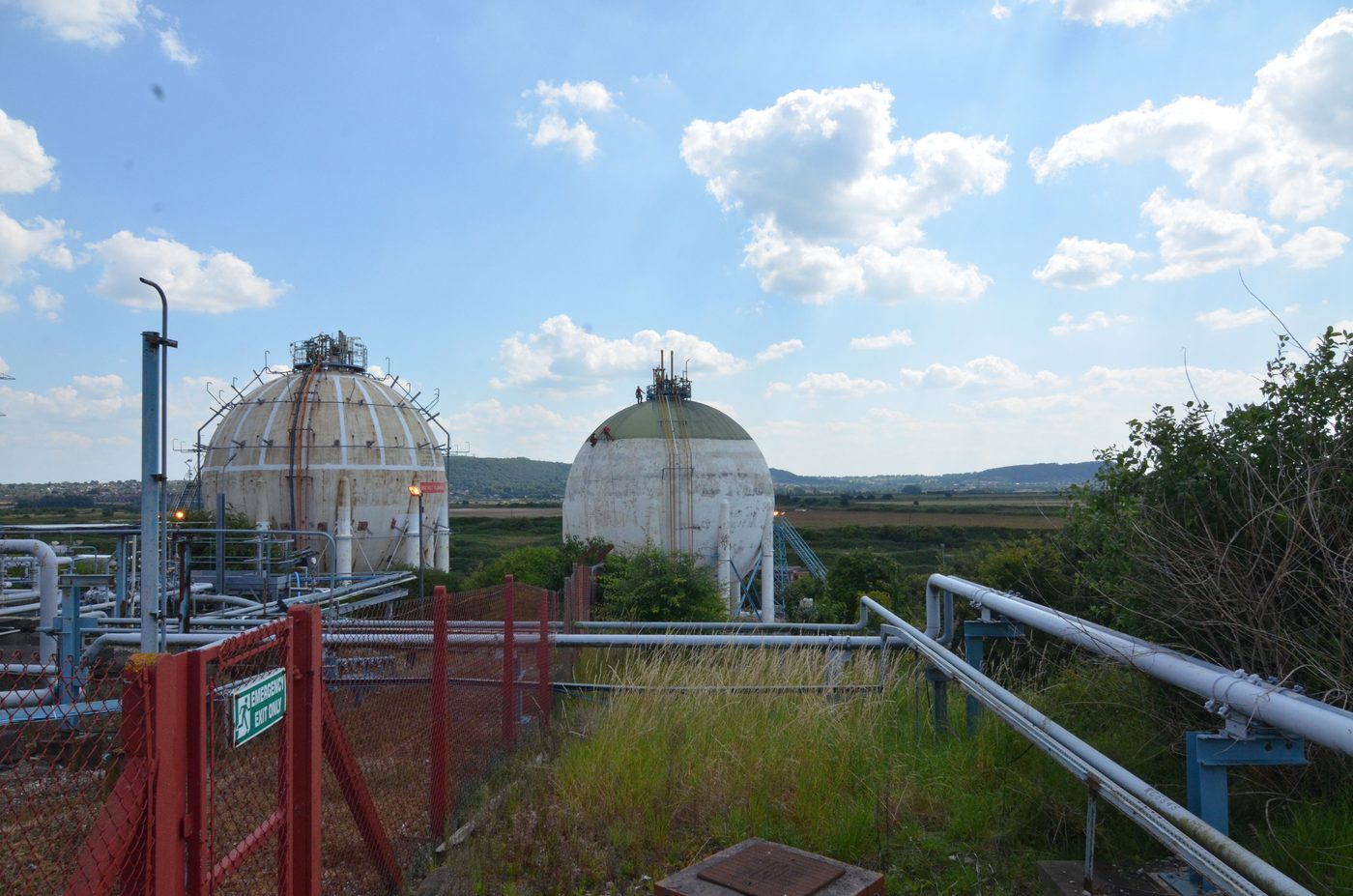
Cementitious fire protection lasts for decades when it is installed and looked after properly. When it fails, the cause is usually poor application or a lack of maintenance, not the material.
How often to inspect
Promat describe inspection at intervals of no more than one year as typical, considered case by case. Harsh climates and busy work areas need more. Schedule inspections and repairs before winter.
What to look for
- Damage to the topcoat. It keeps water out, so holes and breaks should be repaired straight away.
- Perished mastic seals at terminations.
- Impact damage and cut-outs left after modifications or non-destructive testing.
- Hollow areas, found by tapping the surface.
- Cracks, and any sign of water getting behind the coating.
- Flat top surfaces where water can pond.
Inspection is visual and by hand: looking, tapping, brushing and probing. No instrument replaces it.
Repairing damage
Always check the condition of the steel and its primer once the Fendolite is opened up. The primer is the anti-corrosion system, and it is often found to have failed under damaged or wet fire protection. Extend the repair until the substrate is sound, clean it locally and reinstate the primer before the PSK-101 goes on.
A repair needs at least five days of good drying weather, until it turns from dark grey to off-white, before the topcoat goes on.
Cracks
In both cases find out why the crack formed first, or the repair may not last.
Detailing that prevents repeat damage
- Leave chamfered edges at about 45 degrees when cutting out, and keep the existing mesh edges so the new mesh can be overlapped and tied in.
- Slope horizontal surfaces so water sheds.
- Use formwork for neat edges in place of corner beads, which can leave hollows.
- Avoid boxed protection.
- Fix leaks and damaged cladding on neighbouring plant so they do not soak the fire protection.
Keep the records
Include fire protection in the asset register, keep the installation QA records and photographs, and use approved applicators for repairs. Good records make any later problem far easier to investigate.