
Sprayed fire protection comes in two main families. They look similar on the steel but are made for different fires and different places.
Two kinds of spray
Gypsum basedGypsum with light aggregates. Made for buildings and tested for cellulosic fires. For internal use. Fast to apply, often with no mesh or keycoat.
Cementitious, such as FendolitePortland cement with vermiculite. Made for petrochemical plant and tested to UL 1709 for pool and jet fires. For external and internal use. Applied as a system with keycoat, mesh and topcoat, and resistant to impact.
Two kinds of fire
CellulosicFuelled by timber, paper, textiles and building contents. Grows more slowly and reaches about 900 to 1,100°C. Tested to ISO 834, EN 1363-1 or ASTM E119. Steel weakens gradually.
HydrocarbonFuelled by oil, gas, petrol and chemicals. Escalates very quickly and reaches about 1,100 to 1,300°C within minutes. Tested to UL 1709, the EN hydrocarbon curve or ISO 22899. Steel weakens rapidly. Associated with pool fires and jet fires.
Where a spray is the better choice
- Complex steel shapes and congested areas that are slow to board or paint
- Long fire resistance periods without an excessive build-up
- Less surface preparation than a coating system
- Easy to inspect and repair
- Low VOC emissions compared with solvent based coatings
- For Fendolite: durability in harsh environments, with hydrocarbon, jet fire and blast testing
Tunnels
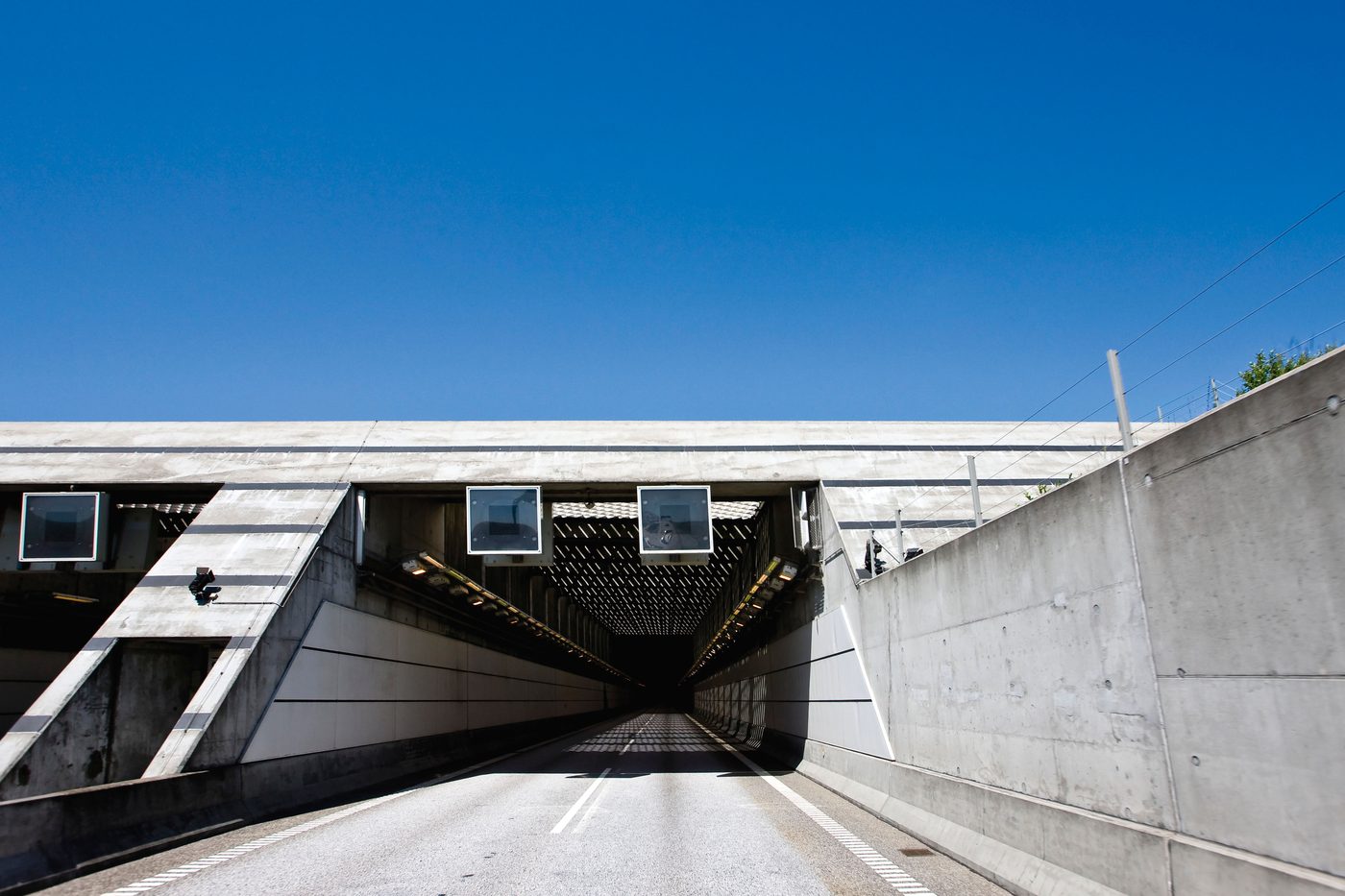
Fendolite-MII is also used on tunnel linings, on precast and bored tunnels and on cut-and-cover tunnels cast in place.
Good practice
- A competent installer, third-party certified or approved by the manufacturer
- A project quality plan agreed before work starts
- Records of batches, water, thickness checks and photographs as the work goes on
- A handover pack with certification and maintenance requirements
- A planned inspection and maintenance regime afterwards